






Blisters When Running
Why They Happen and How to Prevent Them
Blisters can quickly turn a great run into an uncomfortable one. If you keep getting blisters when running, your socks, footwear, moisture and time on your feet could all be contributing.
Over time, I’ve picked up a few tips that have helped me manage them—and often, the little things make the biggest difference.
On a recent 12km run, I was about 5km in when I realised I’d forgotten my favourite running socks. Before long, that familiar discomfort in my arches started creeping in. We made it round, but it was far from enjoyable!
It was a reminder that getting the basics right can make a real difference. So, why do running blisters develop, and what can you do to reduce the chances of getting them?
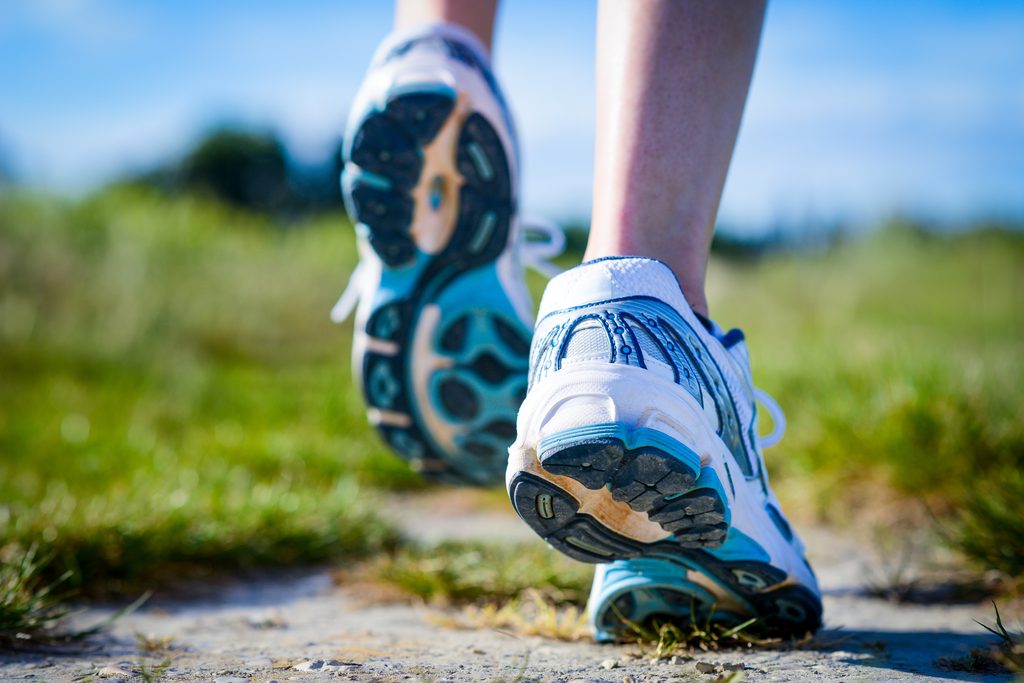
Why do I get blisters when I run?
Running involves thousands of repeated steps. With each one, forces act between your feet, socks, insoles and shoes.
Friction blisters develop when repeated shearing forces damage the skin, causing its layers to separate and fluid to collect. Think of this as repeated stretching and distortion within the skin, rather than simply rubbing its surface.
Several factors can contribute:
- Moisture from sweat or wet conditions.
- Longer runs and repeated loading of the same area.
- Shoes that create localised pressure or allow excessive movement.
- Socks that bunch, slip or retain moisture.
- Seams, worn shoe linings or raised insole edges.
A blister doesn’t automatically mean your shoes are the wrong size. Often, it’s the combination of your feet, footwear, socks and running distance that matters.
How to help prevent blisters when running
1. Choose running socks for comfort and fit
Socks can be an overlooked part of your running kit, but they deserve as much thought as your shoes.
Look for:
- Moisture management: technical running socks can help move sweat away from the skin. Cotton tends to hold moisture and dry more slowly.
- A secure, smooth fit: avoid socks that wrinkle, slip or bunch under your foot.
- Comfortable seams: check for stitching that presses against your toes or other sensitive areas.
- Suitable cushioning: padding may help, but your shoes still need enough room to accommodate it comfortably.
There is some evidence supporting densely padded acrylic socks, although no sock can guarantee blister-free running.
Personally, the socks that look best with my outfit aren’t always the ones my feet appreciate most. Before your next run, ask yourself: are these socks practical, or mostly for the pose?
2. Check your running shoes and insoles
Your running shoes should feel secure without squeezing your feet or creating pressure in one spot.
Check that your heel feels comfortably held, your toes have room and the shoe’s shape suits your foot. Inspect the inside for rough seams, damaged linings or debris.
If you wear insoles or orthoses, make sure they sit correctly and check for worn covers, curled edges or areas that coincide with your blisters.
Repeated arch blisters, for example, are a reason to inspect the contact between your arch, sock and insole—not automatically a sign that you need more arch support.
Try new shoes, socks or insoles on shorter outings before using them for a long run or race.
3. Build up your time on your feet gradually
Longer runs expose your skin to more repeated loading, so a combination that feels comfortable over 5km may cause problems over a longer distance.
Build your running duration gradually and test your kit in conditions similar to those you expect on race day. For longer events, a spare pair of dry socks may be useful if yours become saturated.
4. Treat anti-chafing products as an option to test
I’ve found an anti-chafing roll-on helpful on areas where I tend to develop blisters.
These products aim to reduce friction, but evidence that they prevent foot blisters is limited. Results vary, and some products may need reapplying during longer runs.
If you want to try one, follow the manufacturer’s instructions and test it on a shorter run first. Use it alongside attention to footwear and socks.
5. Act early if you feel a hotspot
A hotspot is an area that starts to feel unusually warm, sore or irritated. It can be an early warning that your skin is being damaged.
Stop somewhere safe and check for a folded sock, grit, a pressure point or a displaced insole. Adjust what you can, and shorten or stop the run if discomfort continues.
Pushing through can turn a small area of irritation into a more painful blister.
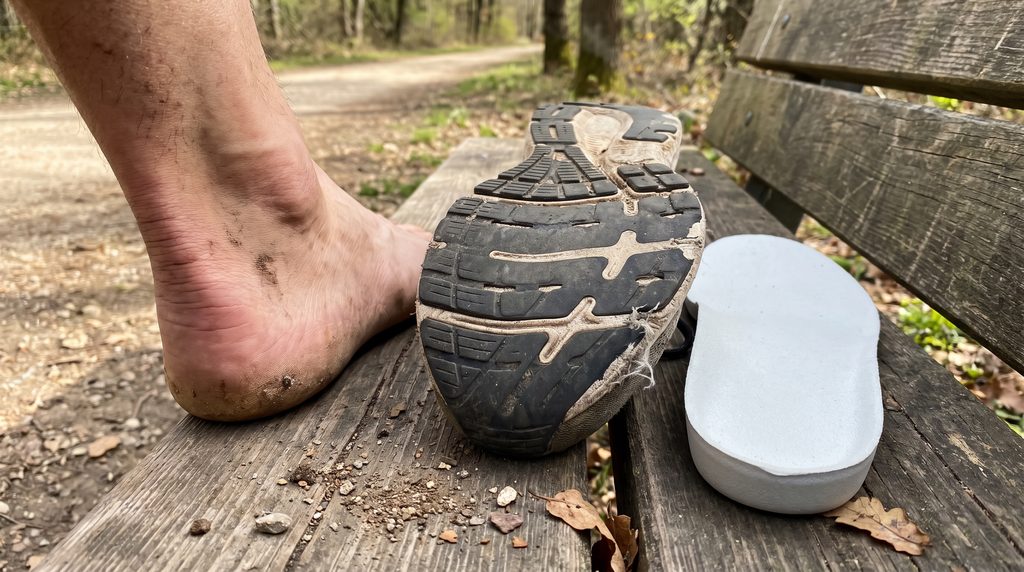
How should I treat a running blister?
If a blister develops:
- Gently clean the area and pat it dry.
- Protect it with a soft plaster or padded dressing.
- Avoid deliberately bursting it or peeling away the overlying skin.
- Avoid the footwear or activity causing further irritation while it heals.
Here is a link to the NHS blister advice page
Seek prompt medical advice if the area becomes increasingly hot, swollen or painful, develops spreading redness or produces pus. Redness may be less obvious on brown or black skin.
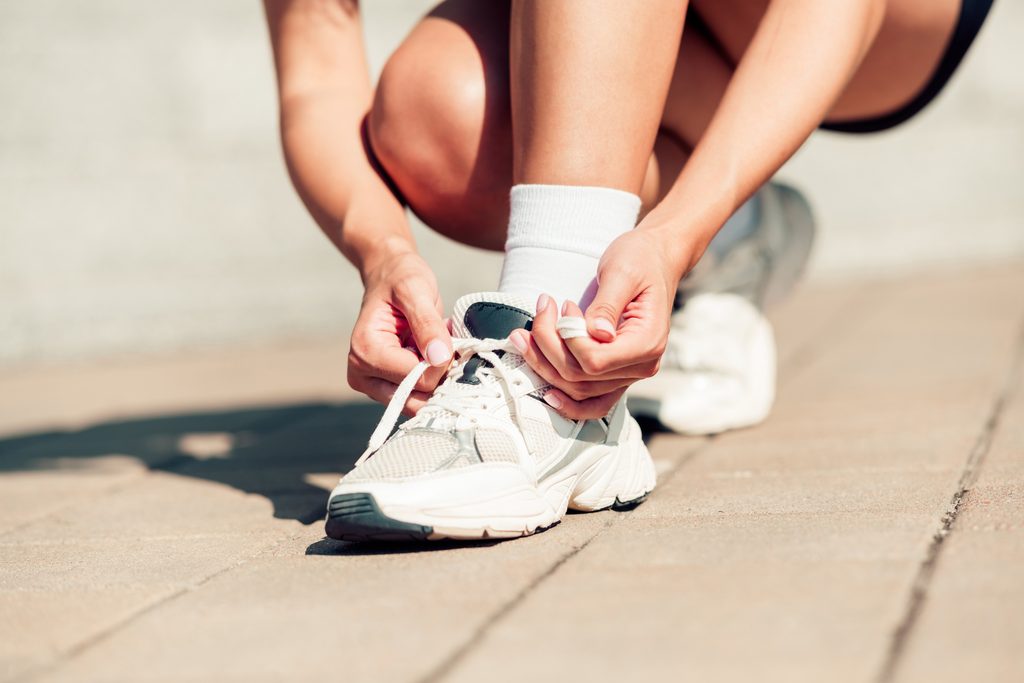
Why do my running blisters keep coming back?
If you repeatedly get blisters in the same place, it’s worth looking at the pattern rather than repeatedly treating the result.
Consider where they develop, how far into a run they appear, and whether they happen with particular shoes, socks or insoles. These details can help guide an assessment.
At ACE Feet in Motion, we can assess recurring blister problems, review your footwear and insoles, and consider whether local pressure or movement is contributing. Recommendations depend on what we find and may include footwear advice, changes to your existing insoles or further assessment.
Blisters repeatedly interrupting your runs? Book an appointment with ACE Feet in Motion for personalised advice.
Book your running shoe assessment today!
So, whether you’re gearing up for your first Hyrox event or looking to improve your performance, selecting the best shoes for Hyrox is a key step in your journey. Contact us for a ‘Running Shoe Assessment’ to assess and evaluate which shoe is best for you.

 Back to all articles


Customer support
If you have any questions or need further assistance, we’re here to help. Feel free to reach out through our contact form or give us a call. Our dedicated team is ready to provide you with the support and information you need. Whether you're looking to book an appointment or have specific queries, don’t hesitate to get in touch.
Contact information


Official partners





Get in touch
